


IFOY Schirmherrschaft

IFOY Träger


IFOY Partner


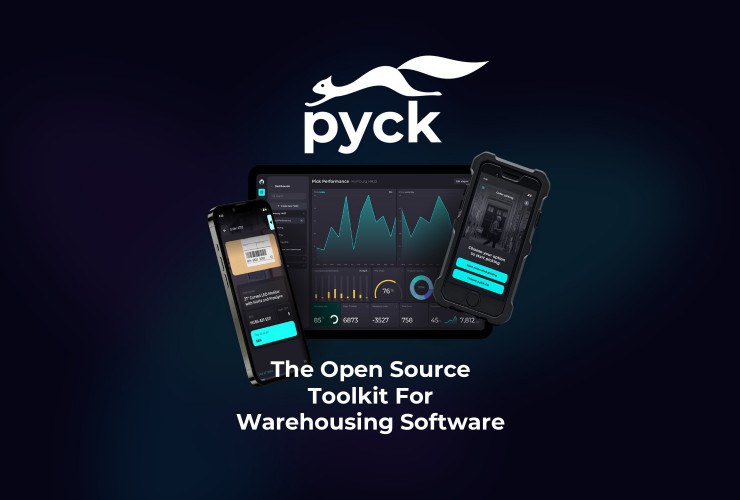
Pyck - Das Open Source Toolkit für Lagersoftware
pyck GmbH


IFOY-Kategorie
IFOY Start-up of the Year Award
Zusammenfassung
Pyck ist ein Open-Source-Toolkit für Lagersoftware, das logistikgetriebene Unternehmen in die Lage versetzt, ihre Prozesse eigenständig zu gestalten, anzupassen und weiterzuentwickeln. Der innovative Ansatz ersetzt starre WMS-Systeme schrittweise, erhöht die organisatorische Flexibilität, senkt die Betriebskosten und ermöglicht die schnelle Integration neuer Technologien wie Künstlicher Intelligenz oder robotergestützter Automatisierungssysteme.
Beschreibung
Pyck ist ein Open-Source-Toolkit für Lagersoftware, das Unternehmen befähigt, ihre Prozesse eigenständig zu gestalten, anzupassen und kontinuierlich zu erweitern. Statt starrer, teurer WMS-Systeme bietet Pyck einen flexiblen Ansatz, der Kosten reduziert, Anpassungen beschleunigt und die Einführung neuer Technologien wie Künstlicher Intelligenz und Robotik vereinfacht.
Das Toolkit besteht aus drei Kernkomponenten:
- API-first Core (bald als Open Source verfügbar) für Datenmanagement, Integration externer Systeme sowie Multi-Tenancy- und Multi-Location-Szenarien. Pro-Code-Prozess-Builder auf Basis des ISO-Standards BPMN. Logistikexperten können Prozesse aus Vorlagen entwickeln oder eigene Modelle importieren. Ein KI-Assistent unterstützt bei der Optimierung, während die Modelle gemeinsam mit KI und Entwicklern in Software überführt werden. Fortschritte in der KI-Codegenerierung beschleunigen die Entwicklung individueller Lagerlösungen erheblich. Kein No-code/Lo-Code.
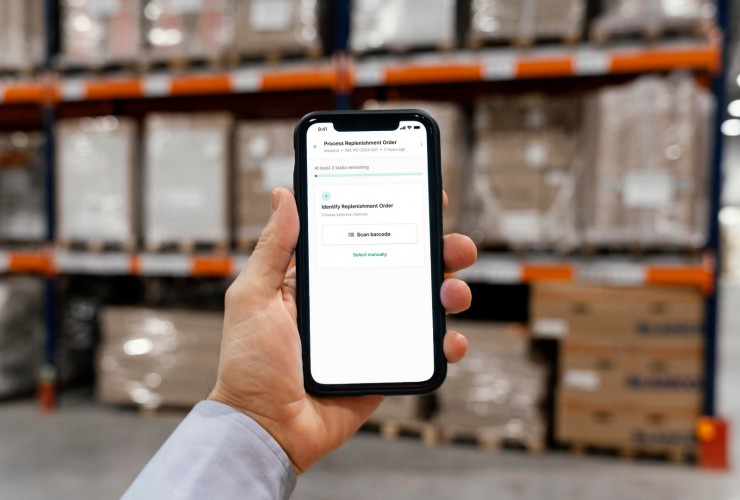
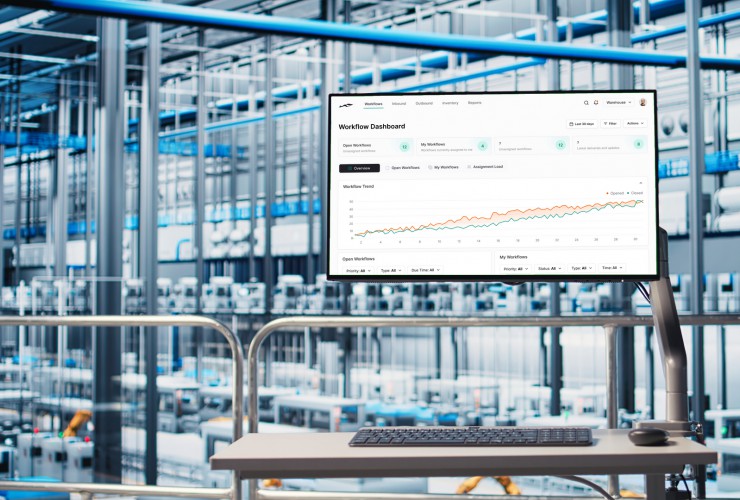
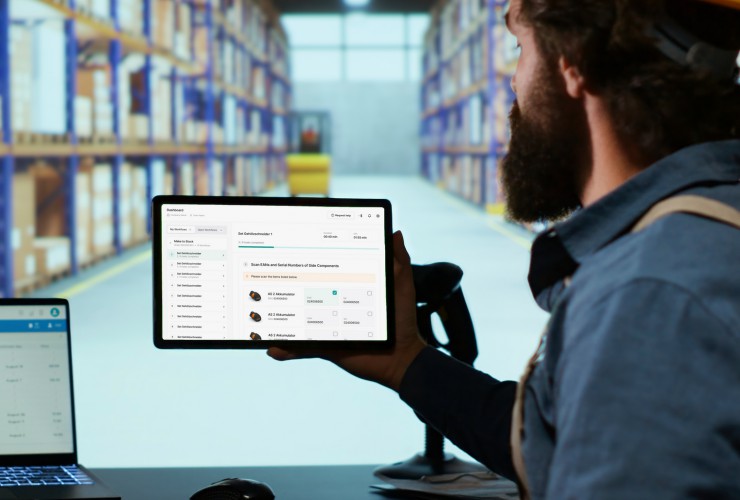
- Warehouse-UIs und Anwendungen, darunter Mobile-Picking-App, Control Center mit Workflow-Visualisierungen und KPIs, Data Manager, Dashboards sowie Schnittstellen für kundenspezifische Oberflächen.
- Pyck integriert KI, Robotik und Automatisierung über eine public GraphQL-API und JSON-Schemas. Anwender behalten die volle Hoheit über Prozesse und Daten (SaaS oder On-Premise). Ergänzt durch Service, Support und KI-basierte Funktionen setzt Pyck neue Maßstäbe in Flexibilität, Transparenz und Innovationskraft der Intralogistik.
Innovation
Die zentrale Innovation von Pyck liegt in seinem Toolkit-Ansatz, der Künstliche Intelligenz nutzt, um Lagerprozesse zu entwerfen und daraus automatisch Software abzuleiten. Anders als herkömmliche WMS-Lösungen ist Pyck kein schwerfälliges monolithisches System, das starre Abläufe vorgibt. Stattdessen ermöglicht es Logistikexperten, Prozesse, Datensätze und Benutzeroberflächen eigenständig aufzubauen, anzupassen und zu erweitern – ohne Abhängigkeit vom jeweiligen Hersteller oder spezialisierten Entwicklern.
Mit dem bevorstehenden Open-Source-Release schafft Pyck Transparenz, reduziert Vendor-Lock-in und gibt Unternehmen die volle Kontrolle über ihre Logistik-IT zurück.
Wer einmal mit Pyck arbeitet, wird keinen Grund mehr haben, zu einem traditionellen monolithischen WMS zurückzukehren.
Marktrelevanz
Die Logistik steht unter enormem Innovationsdruck: Kosten müssen gesenkt, globale Lieferketten flexibel angepasst, Cyberangriffe abgewehrt, Nachhaltigkeitsziele erreicht und der Arbeitskräftemangel bewältigt werden.
Dennoch arbeiten viele Unternehmen weiterhin mit starren, teuren WMS-Systemen, die Anpassungen verlangsamen und operative Exzellenz verhindern. Ein weiteres monolithisches Standard-WMS kann dieses Problem nicht lösen, da jedes Lager einzigartig ist, geprägt durch Branche, Produktspektrum, Standort, Layout, Geschäftsmodell und Vertriebskanäle.
Pyck bietet hier einen Ausweg. Anders als die Vielzahl standardisierter WMS am Markt zwingt Pyck Unternehmen keine Einheitsprozesse auf. Stattdessen stellt es ein flexibles, KI-gestütztes Toolkit bereit, mit dem Logistikexperten Prozesse eigenständig entwerfen und anpassen können – exakt abgestimmt auf ihre spezifischen Anforderungen.
Kunden erwarten Software, die zu ihrem Geschäft passt – nicht Software, die ihnen vorschreibt, wie sie arbeiten müssen. Genau das liefert Pyck.
Hauptvorteile für den Kunden
Pyck verschafft Unternehmen Unabhängigkeit von proprietären Anbietern, volle Kontrolle über ihre Lager-IT und Daten sowie die Flexibilität, Prozesse jederzeit anzupassen und zu erweitern.
Die zentralen Vorteile:
- Volle Kontrolle: Anwender optimieren, skalieren und aktualisieren eigenständig.
- Schnelle Implementierung: Änderungen (Changes) oder Go-Lives erfolgen in Tagen, nicht in Monaten.
- Keine Abhängigkeiten von einem Anbieter: Offene Architektur, Open-Source-Freiheit und ein versionloses System ohne Downtimes durch extern vorgegebene Release-Cycles.
- Höhere Profitabilität: Eine schlanke Software, die sich exakt am Geschäft des Kunden orientiert und dadurch die Effizienz und Margen steigert.
Technische Daten
Pyck - The Open Source Toolkit for Warehousing Software
pyck GmbH
IFOY category
IFOY Start-up of the Year Award
Summary
Pyck is an open source toolkit for warehousing software that enables logisitics-driven companies to design, adapt, and extend their logistics processes independently. Its innovative approach replaces rigid WMS systems step by step, increasing flexibility, reducing costs, and allowing rapid adaptation of innovative technologies such as AI or new robotic automation systems.
Description
Pyck is an open source toolkit for warehousing software that enables logistics-driven companies to design, adapt, and extend their processes independently. It gradually replaces rigid WMS systems, boosting flexibility, reducing costs, and accelerating adoption of AI and robotic automation.
The toolkit consists of three core components:
- API-first core (soon to be open-sourced) for managing data, connecting third-party systems, and supporting multi-tenancy and multi-location setups.Pro code process builder based on the ISO-certified standard BPMN (Business Process Modeling Notation), empowering logistics experts to model unique processes. Users can build from templates or create/import their own. An AI consultant assists in refining models, which are transformed into software in collaboration with AI and developers. As AI advances in generating code blocks, development of unique warehousing software accelerates massively.
- Warehouse UIs and applications, including Mobile Picking App, Control Centers with workflow visualizations and KPIs, Data Manager, dashboards, and support for any custom UI.
- Pyck integrates AI, robotics, and automation tools via a public GraphQL API and JSON schemas. It restores ownership of processes and data to users, while offering SaaS or on-premise deployment. Pyck also provides service, support, and AI-powered features to scale and optimize its customer’s logistics.
Innovation
The core innovation of Pyck lies in its toolkit-based approach that leverages AI to design warehouse processes and automatically derive software from them. Unlike conventional WMS solutions, Pyck is not a cumbersome monolithic system dictating workflows. Instead, it empowers logistics experts to independently build, adapt, and extend processes, datasets, and user interfaces – without relying on the vendor or specialized software developers.
With the upcoming open source release, Pyck ensures transparency, minimizes vendor lock-in, and gives companies full control over their warehouse software.
Once users experience Pyck, they will have no reason to return to a traditional monolithic WMS.
Marktet relevance
The logistics industry faces increasing pressure to innovate while keeping costs under control, adapting to global supply chain shifts, safeguarding against cyberattacks, becoming more sustainable, and addressing labor shortages.
Yet many companies remain tied to rigid, expensive WMS solutions that slow down adaptation and hinder operational excellence. Another monolithic WMS cannot solve this problem, because every warehouse is unique, shaped by sector, product range, location, layout, operating model, and sales channels.
Pyck offers a way out. Unlike the hundreds of standardized WMS systems on the market, Pyck does not impose one-size-fits-all and leave customers struggling with the daily challenges of logistics. Instead, it provides a flexible, AI-driven toolkit that enables businesses to design and adapt warehouse processes to their specific needs.
Customers expect software that fits their business, not software that dictates how they must work.
Main customer benefits
Pyck gives customers independence from proprietary vendors, full control over their warehouse IT and data, and the flexibility to adapt and extend processes at any time. The main benefits are:
- Total control: Users optimize, scale, and update on their own terms.Fast deployment: Customers implement changes or go live in days, not months
- No lock-ins: Users benefit from open source freedom and a versionless architecture with zero downtime dictated by vendor’s release cycles.
- No dependencies on a single provider: an open architecture, the freedom of open source, and a versionless system without downtime caused by externally imposed release cycles.
- Higher profitabilty: Users receive a lean software that perfectly matches their business.
Technical data