

IFOY Audit
Finalists undergo the three-stage IFOY Audit as part of the IFOY Audit, which takes place during the TEST CAMP INTRALOGISTICS. This consists of the scientific IFOY Innovation Check, the IFOY Test and the jury test.
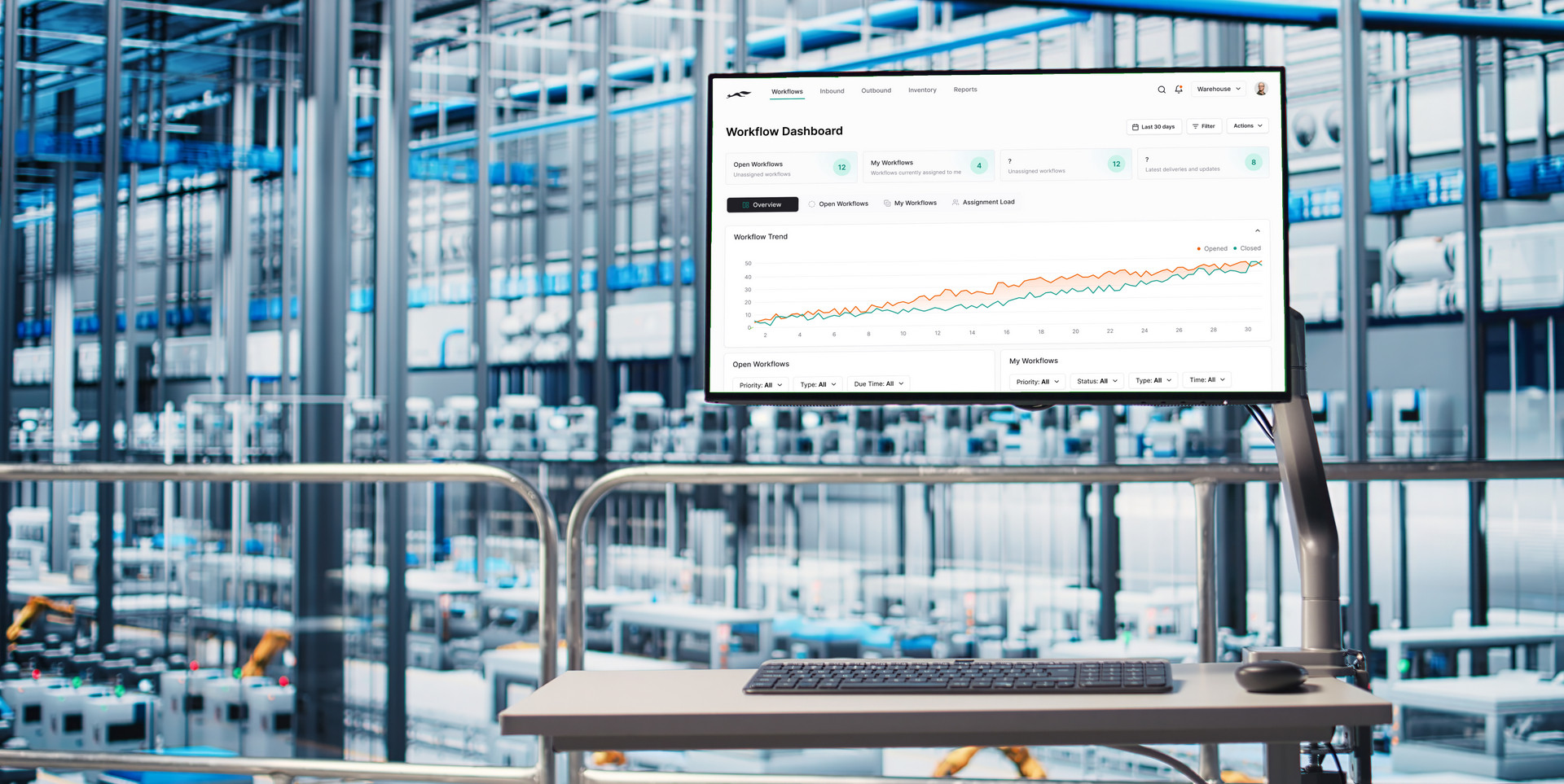
Pyck is an open source toolkit for warehousing software that enables logisitics-driven companies to design, adapt, and extend their logistics processes independently. Its innovative approach replaces rigid WMS systems step by step, increasing flexibility, reducing costs, and allowing rapid adaptation of innovative technologies such as AI or new robotic automation systems.

Product name and company
Pyck Open Source Toolkit for Warehousing Software – Pyck
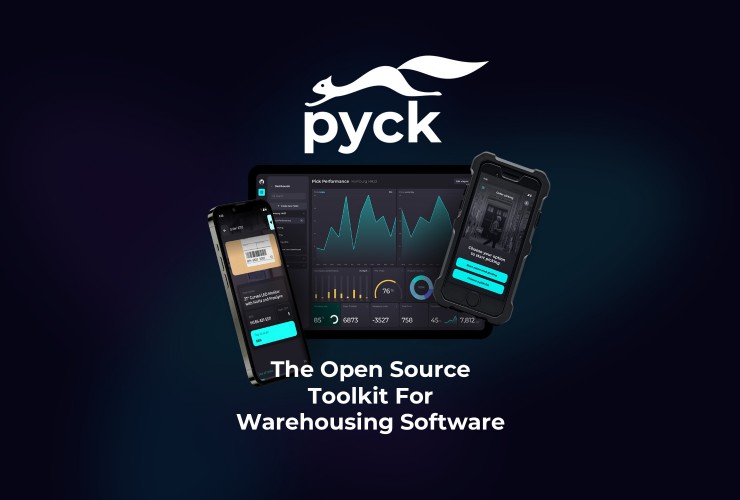
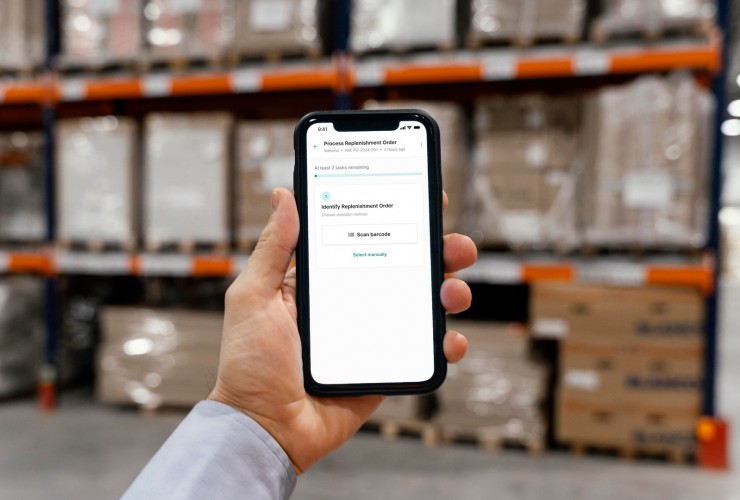
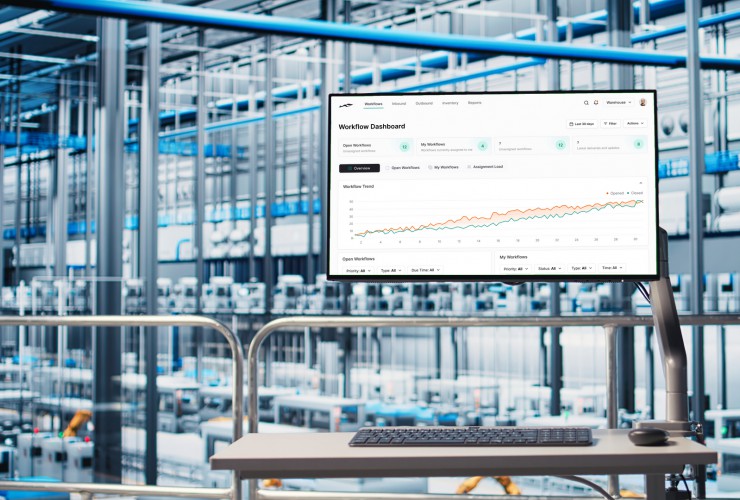
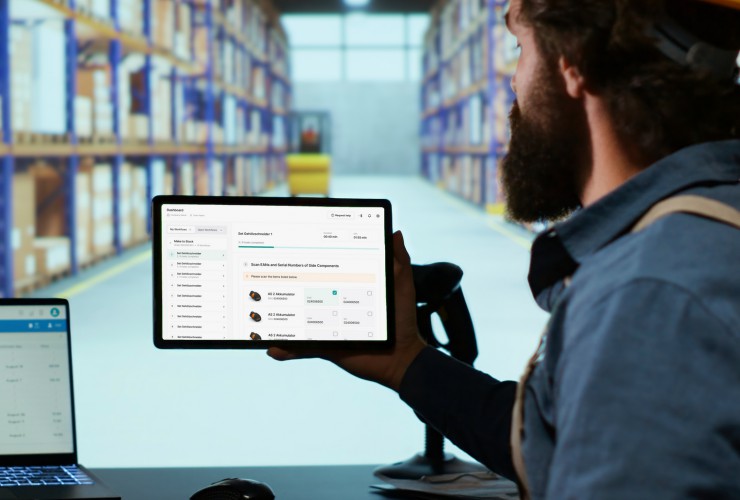
Pyck is an open source toolkit for warehousing software that enables logistics-driven companies to design, adapt, and extend their processes independently. It gradually replaces rigid WMS systems, boosting flexibility, reducing costs, and accelerating adoption of AI and robotic automation.
The toolkit consists of three core components:
The core innovation of Pyck lies in its toolkit-based approach that leverages AI to design warehouse processes and automatically derive software from them. Unlike conventional WMS solutions, Pyck is not a cumbersome monolithic system dictating workflows. Instead, it empowers logistics experts to independently build, adapt, and extend processes, datasets, and user interfaces – without relying on the vendor or specialized software developers.
With the upcoming open source release, Pyck ensures transparency, minimizes vendor lock-in, and gives companies full control over their warehouse software.
Once users experience Pyck, they will have no reason to return to a traditional monolithic WMS.
The logistics industry faces increasing pressure to innovate while keeping costs under control, adapting to global supply chain shifts, safeguarding against cyberattacks, becoming more sustainable, and addressing labor shortages.
Yet many companies remain tied to rigid, expensive WMS solutions that slow down adaptation and hinder operational excellence. Another monolithic WMS cannot solve this problem, because every warehouse is unique, shaped by sector, product range, location, layout, operating model, and sales channels.
Pyck offers a way out. Unlike the hundreds of standardized WMS systems on the market, Pyck does not impose one-size-fits-all and leave customers struggling with the daily challenges of logistics. Instead, it provides a flexible, AI-driven toolkit that enables businesses to design and adapt warehouse processes to their specific needs.
Customers expect software that fits their business, not software that dictates how they must work.
Pyck gives customers independence from proprietary vendors, full control over their warehouse IT and data, and the flexibility to adapt and extend processes at any time. The main benefits are:
Image/video credits: pyck
Finalists undergo the three-stage IFOY Audit as part of the IFOY Audit, which takes place during the TEST CAMP INTRALOGISTICS. This consists of the scientific IFOY Innovation Check, the IFOY Test and the jury test.
In den Statuten sind die Grundwerte und die Standards des IFOY AWARD festgelegt, nach denen die Organisation handelt. Dazu gehören unter anderem Gremien, Wahlomodus, Bewertungskriterien sowie der Code of Conduct.
The International Intralogistics and Forklift Truck of the Year has three bodies: Jury, sponsors, and advisory board.