Description
Logibot is a hardware-agnostic AI software platform that lets logistics and industrial operators select, train, and manage robots from around 95% of the hardware available on the market. Rather than manufacturing robots itself, Logibot combines existing hardware with its own AI layer, so customers are never locked into a single supplier.
The platform covers the full deployment journey: analyzing existing goods flows to identify automation opportunities, validating performance in a digital twin before anything is physically deployed, training robots for specific tasks such as parcel sorting, integrating them into live operations, and continuously monitoring them with remote teleoperation as a safety and continuity mechanism.
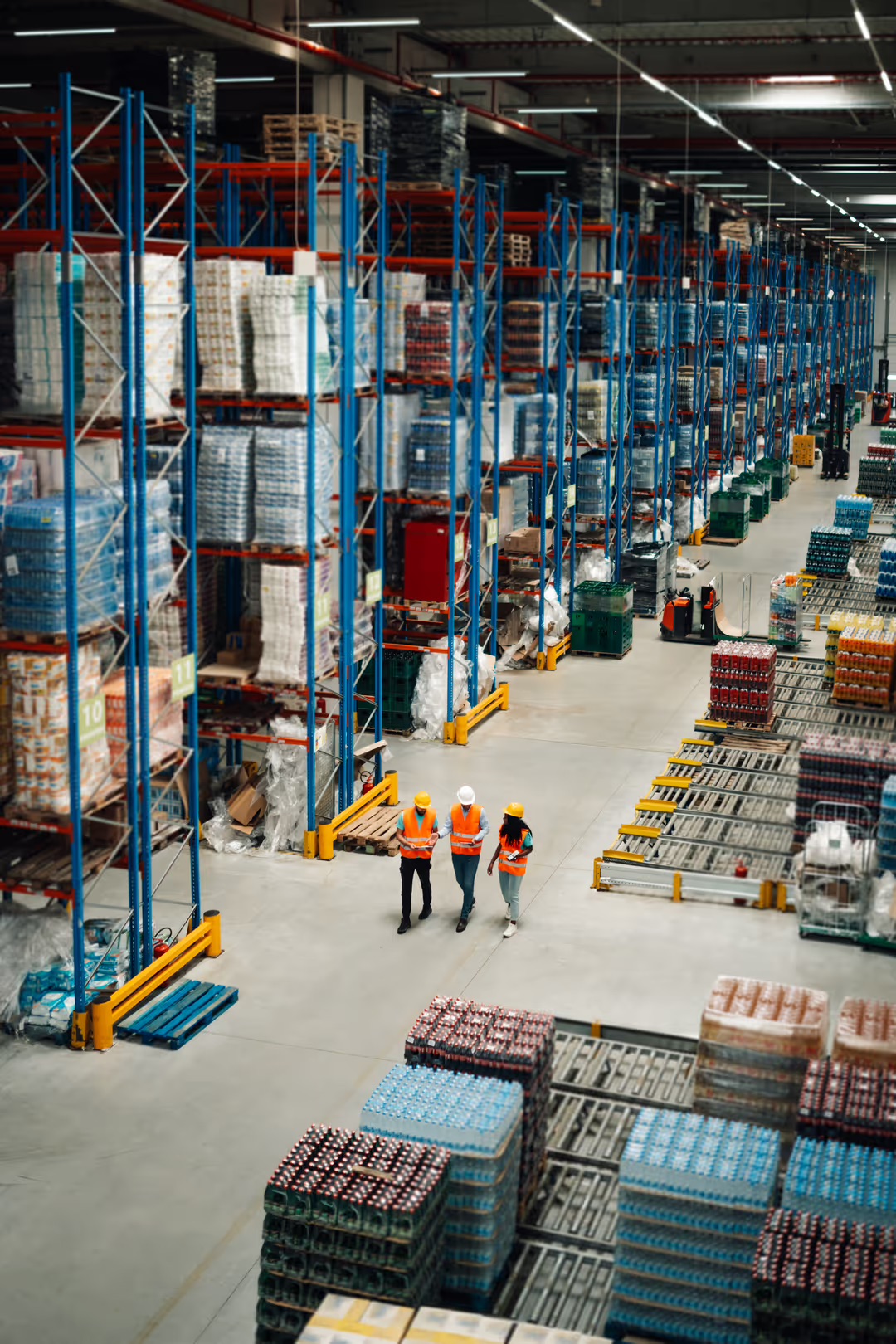
Logibot is designed for existing, live, space-constrained facilities, deployment does not require warehouses to be redesigned or operations to be paused. The company is based in Belgium and focused on European logistics operators, including 3PLs, CEPs, and postal operators facing structural labour shortages on the warehouse floor.
Innovations
Logibot’s core innovation is treating the choice of robotic hardware as a solved, software-level decision rather than a one-time capital commitment. Instead of selling or promoting a single robot, Logibot’s platform is hardware-agnostic by design: it selects the simplest, most cost-appropriate hardware for each task, for instance, a single robot arm for parcel sorting, rather than a more complex humanlike system, and adds its own AI layer for training, task execution, and supervision.
If a hardware manufacturer changes, discontinues a model, or no longer meets requirements, Logibot’s software continues running, and the underlying hardware can be swapped without disrupting the customer’s operation. This vendor-neutral approach is paired with a simulation-first deployment process: every use case is validated in a digital twin before a robot is introduced to the physical floor, reducing integration risk in facilities that cannot be redesigned or paused.
Market relevance
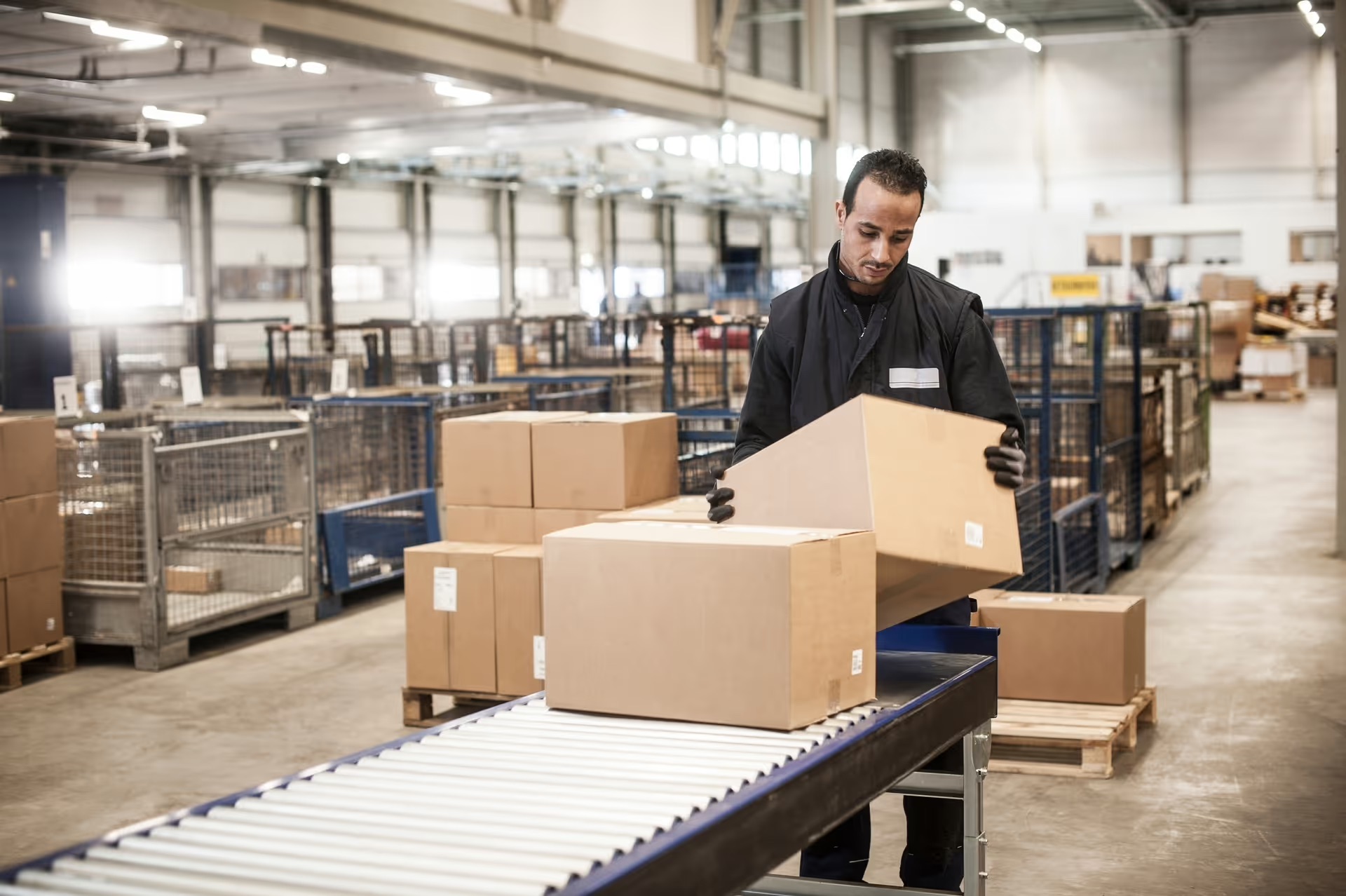
Across Europe, an estimated 2.5 million people in logistics still perform manual, physically demanding groundwork such as sorting parcels, moving cages, or filling loading docks. Warehouses and sorting and distribution centres, often located far from labour markets, face persistent difficulty filling these roles. Temporary staff can cost up to 40% more than a permanent hire, turnover remains structurally high, and repeated training places a significant burden on operating costs.
Logibot’s target market includes logistics operators (3PLs, CEPs, postal operators) and industrial companies with labour-intensive intralogistics operations across Europe. Early clients already include logistics providers with between 8,000 and 21,000 employees, and one of the largest logistics and postal groups in the Nordics, where a Logibot robot is currently operational in Denmark. In September 2026, Logibot raised €1.4 million in a round led by BeamBerlin, the startup studio of German intralogistics group BEUMER, with RDY Ventures, PMV, and the BAN Business Angels network also participating.
Customer benefits
Logibot’s customers gain flexible, vendor-neutral access to robotic labour without being tied to a single hardware supplier or a large upfront capital investment. The platform’s simulation-first approach lets operators validate a use case’s performance before any physical deployment, reducing the risk of costly integration failures.
Because deployment does not require redesigning existing facilities, customers can automate physically demanding, repetitive tasks, such as parcel sorting, in live, space-constrained sites without pausing operations. Ongoing remote teleoperation and monitoring provide a human-in-the-loop safety net, ensuring continuity even as automation scales. In effect, Logibot lets operators treat robotic labour like flexible staffing: available on demand, without a long-term contract tying them to one supplier, what the company describes as “a temp agency for robots.”